Town center or business park, a property’s grounds speak before anyone from your team does. In Riverdale, GA, that message changes week by week because the climate is a moving target. Warm-season turf wakes up fast, afternoon storms roll through, and red clay alternates between concrete and sponge. A corporate lawn maintenance schedule that works here matches those rhythms. It anticipates surges of growth, the ebb of soil moisture, and the steady pressure from weeds and pests. When schedules align with the local realities, corporate campus landscaping turns from a cost center into a quiet advantage. Foot traffic flows more safely, clients notice the care, and Facilities doesn’t need to send urgent emails every time the bermuda jumps an inch.
I have spent enough seasons walking office parks in Clayton County to know that “weekly mowing” is not a schedule. It is a placeholder. What you need is a calendar that sets baselines for each season, then builds in the agility to move a visit forward after a sudden storm, or stretch an interval during an extended dry spell. Below is what that looks like in practical terms for corporate office landscaping across Riverdale and the southside: the why behind each task, the timing that works, and the trade-offs when budgets, tenants, and weather collide.
What Riverdale’s climate demands from your schedule
Riverdale sits in a humid subtropical zone with long, hot summers and mild winters. Bermuda and zoysia dominate the corporate property landscaping mix for turf, with pockets of fescue in shaded courtyards that never see full sun. Crepe myrtles, hollies, loropetalum, and Indian hawthorn fill out shrub and ornamental layers. Those choices are not by accident; they are the plants that survive heat, tolerate clay, and rebound after occasional neglect. Your office grounds maintenance schedule should follow their biology.
Warm-season grasses break dormancy in late March to April, then surge through June and September. Spring weed pressure peaks before the grass fully greens, and again in late summer if pre-emergent coverage lapses. In winter, growth slows to office park grounds maintenance near zero but not the maintenance workload. Leaf litter, pine straw migration, and safety issues from slick walkways keep crews busy. Rain is the wildcard. Riverdale’s pop-up thunderstorms can drop an inch in an hour, then leave you with wet medians that rut under a zero-turn mower. A workable business park landscaping plan locks in the right visit frequency by season, and it adds decision rules to shift days without wrecking the appearance standard.
The backbone: a seasonal cadence that actually matches growth
Monthly plans look good on paper. On campus, growth writes the schedule. Here is the cadence that holds in Riverdale for most corporate grounds maintenance programs.
Early spring, late February through April. The lawn still sleeps, but the clock is already ticking on weeds and edges. This is renovation time: pre-emergent herbicide to suppress crabgrass, bed redefining before mulch, winter debris clean-up from oaks and sweetgums, and irrigation checks before demand spikes. Mowing starts light at biweekly intervals, mostly to tidy winter rye overseed if present and to begin re-establishing height on bermuda as it greens. Hold cut heights at 2.0 to 2.5 inches early to favor root vigor.
Late spring into early summer, May and June. Growth surges. Weekly mowing becomes the norm for office complex landscaping unless drought intervenes. Shrub pruning turns from selective cuts to shaping, and bed weed control moves from spot treatment to standing items on each visit. This is also the window for mulch if it was not installed by March. Pine straw looks sharp on corporate campuses in Riverdale, but hardwood mulch holds color and suppresses weeds longer near glass atriums and entrances. Plan for irrigation runtime increases, but only after a functioning audit. Watering clay soils needs patience, not long daily cycles that send water to the storm drain.
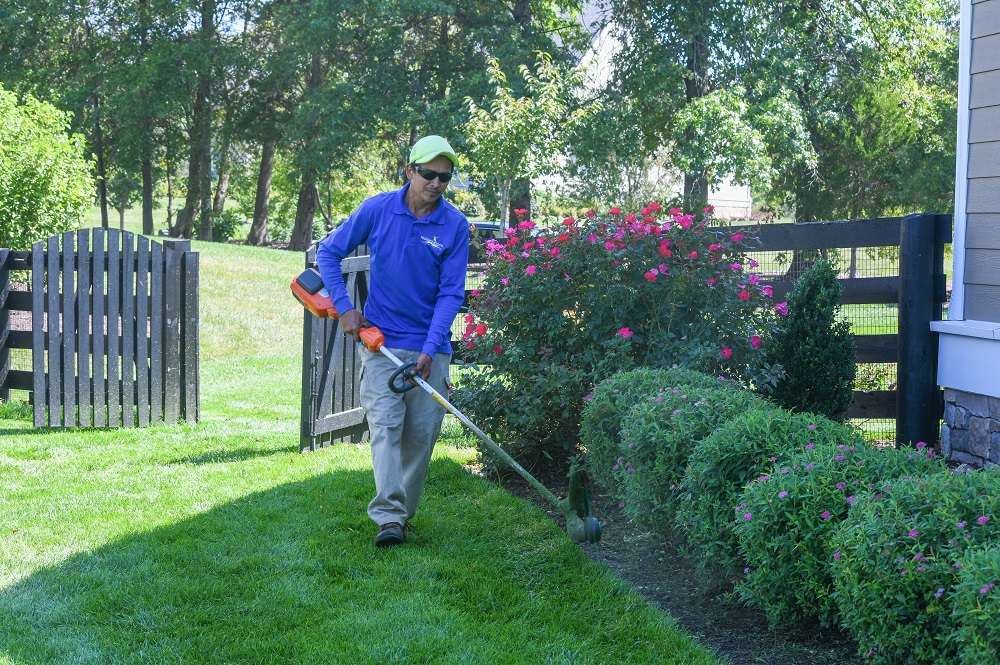
Peak summer, July and August. Heat stress moves front and center. Mowing remains weekly but can slide to 10 to 14 days during heat waves if growth slows and you are protecting turf from scalping. Edging and string trimming still need weekly attention because bermuda sneaks under sidewalks and into beds fast. Shrub pruning shifts to touch-ups so you do not force soft growth that burns in sun. Irrigation cycles split into shorter “soak and cycle” sets to minimize runoff on slopes and medians.
Early fall, September and October. This is the second growth push. The turf responds to late-summer rains and return of moderate temperatures. Weekly mowing usually resumes reliably. Fertility applications make the largest visual difference in this window. Apply balanced slow-release fertilizers to push root density before winter, and schedule fall pre-emergent for winter annuals like poa annua. For properties that entertain overseeding with rye to keep a green winter canopy, early October is your pivot. Be honest about whether rye serves the brand and the budget on a corporate office landscaping site. It adds color in December, but it locks you into more frequent mowing in winter and can delay bermuda’s spring green-up unless you manage transition carefully.
Late fall through winter, November to January. Growth slows, but workload does not disappear. Biweekly service can stretch to every three weeks for mowing if turf is not overseeded. Leaf management becomes the headline task, especially around parking lots where storm drains clog quickly. Winter pruning for structure on hollies and crape myrtles belongs here, and so do major bed renovations. Irrigation pivots to freeze protection and leak repairs. Most systems should be off except in rare dry spells on slopes where erosion threatens. Winter color with pansies or violas pays for itself at front entrances, lobby walkups, and monument signs. The key is timing, typically mid November, with a light top-dress of fresh mulch to set the look.
Aligning tasks inside each visit
Not all weekly service visits are equal. The best office landscape maintenance programs define what a standard visit includes by season, and what is requested or scheduled separately. This avoids surprises on both sides.
During growing season, a standard visit includes mowing, edging, line trimming, and hard surface blow-off. Bed weed control and litter pick-up happen every visit. Selective shrub touches keep sightlines clear at entries and monument signs. Deep hedging, formal shaping, and seasonal color rotations are separate line items, scheduled in dedicated blocks so crews are not rushing.
In winter, the standard visit pivots to leaf management, litter patrol, and safety checks. Mower usage drops except on overseeded areas. Winter pruning is scheduled intentionally by zone to stagger plant stress. Allow enough time for debris haul-off. It adds cost and time, but leaving brush piles to sit behind the loading dock creates a second problem.
Mowing height and frequency, the simple rules that save turf
In Riverdale’s corporate lawn maintenance, the two mistakes I see most often are cutting too low and cutting too often in heat. Bermuda looks crisp at 1.5 inches on a golf fairway with sand base and daily irrigation. Your office park was built with red clay subgrade, a few inches of topsoil if you’re lucky, and soil compaction from construction traffic that never truly recovered. Give the grass an extra half inch to an inch. A 2 to 3 inch mowing height reduces heat stress, shades out weeds, and buys you flexibility if a rainout pushes service by three days.
Frequency follows growth, not the calendar. In wet Junes, weekly is a minimum. In August heat, the grass might only grow a quarter inch in a week. Stretch the cycle, protect the leaf, and keep blades sharp. Dull blades shred leaves, invite disease, and make turf look gray. On a campus with 6 to 12 acres of mowable turf, changing or sharpening blades mid-day is not a luxury, it is how you keep the afternoon finish as clean as the morning.
Irrigation audits that prevent headaches
Corporate maintenance contracts often inherit irrigation systems that look intact but hide chronic problems: stuck valves, misaligned rotors watering sidewalks, and controllers running summer schedules in October. A Riverdale-friendly office park maintenance service treats irrigation like HVAC. Audit at the start of spring, then again in high summer. Run each zone, flag coverage gaps, document pressure, and correct head-to-head coverage. Smart controllers help, but a human walkthrough catches what a sensor cannot, like turf burn along a heat-reflecting wall or planter box roots pinching a lateral line.
Clay soils demand patience. Watering deeper, less often is the goal, but clay resists infiltration. Break sessions into shorter cycles with soak periods. This cuts runoff into drives and parking lot islands where standing water turns oily and slick. In the shoulder seasons, scale back. Overwatering when nights cool is the fastest way to promote fungus, especially in shaded courtyards with fescue.
Fertility and weed control that match plant biology
I hear the same complaint every spring: “We fertilized twice and the color still looks tired.” Timing and product choice matter. For warm-season turf in Riverdale, spring fertilization should not lead grass out of dormancy with nitrogen. Wait until soil temperatures stabilize and turf is visibly growing. Use a slow-release blend that feeds over 8 to 12 weeks, not a quick flush that forces tender growth just before a cold snap or disease event. A second application in late summer to early fall strengthens roots. Skip late fall nitrogen on bermuda unless you are managing rye, otherwise you risk winter injury.
Pre-emergent herbicides are insurance, and like insurance they work best when you follow the calendar, not when problems appear. Apply a split pre-emergent program for both spring and fall. When poa annua pops in December, you missed the window in September. In beds, a pre-emergent plus a two to three inch mulch layer does more for weed control than doubling the labor budget for hand-pulling. Spot treatments handle breakthrough. If a property manager insists on chemical-free beds near a daycare or medical office, plan for more frequent visits. Honest expectations prevent strained emails later.
Pruning with purpose, not a hedge trimmer alone
I have watched crews turn healthy shrubs into green muffins in a single afternoon. The grounds look neat for a week and tired for the rest of the year. Corporate campus landscaping benefits from a two-tier approach to pruning. Structural pruning happens in winter, removing crossing branches, opening the plant for light, and setting the size you want. In-season touch-ups keep forms tight around signs and walkways without encouraging soft shoots that burn. Crape myrtles do not need topping. Resist it. It creates weak jointing, more suckers, and a spindly look that screams short-term thinking.
On campuses with security cameras and clear sightline requirements, pruning is a safety activity. Keep shrubs low near entryways and ATM kiosks, and ensure tree canopies are limbed up to at least seven feet over sidewalks. A good office landscaping services provider builds those standards into the schedule so you do not need to request them after a security audit.
Storm response, the unscheduled part of scheduled maintenance
Summer afternoons in Riverdale bring fast-moving storms. In the hour after a downburst, curb lines clog with leaves and pine straw, gutters overflow across walkways, and tree limbs fall where cars need to pass. A realistic corporate landscape maintenance plan sets aside capacity for next-day storm response. That might mean holding a small crew in reserve each week, or writing a clause into corporate maintenance contracts that prioritizes debris clearance and safety checks within 24 hours of a named weather event. The point is not to overbuild the weekly schedule. It is to recognize reality and build resilience into service.
Matching the schedule to property types in Riverdale
No two corporate properties require the same plan. A single-tenant headquarters with a visitor-heavy lobby cares about different details than a multi-tenant office park with dozens of small businesses. A hospital outpatient center weights safety and cleanliness more heavily than a back-office warehouse with front lawn for signage only.
Professional office landscaping schedules adjust by property type. Headquarters campuses benefit from weekly visits year-round, with winter visits focused on bed care and hardscape cleanliness. Business park landscaping often runs on weekly service March through October, then biweekly in winter, with targeted attention to shared amenity spaces and main entrances. Office complex landscaping with restaurants onsite needs more aggressive litter patrol and grease-area management around service alleys so oil does not track onto adjacent turf. On medical offices, chemical timing and product selection follow stricter protocols for patient sensitivity and signage during application.
Budget realities without sacrificing appearance
Facilities managers often sit between tenant expectations and fixed budgets. A schedule that works acknowledges trade-offs and chooses where to invest. If you have to cut somewhere, do not starve the pre-emergent program or irrigation audits. Those two items prevent the most visible failures. You can stretch shrub pruning intervals in midsummer without losing curb appeal, especially if structural work was done right in winter. You can reduce the frequency of full-bed mulch top-ups by installing more groundcovers in high-visibility zones and using mulch lighter elsewhere. You can drop rye overseeding and invest the savings in a fall aeration and topdressing that sets bermuda up for a better spring.
Another lever is visit length. Reducing a weekly visit from a full crew for four hours to three hours does more harm than moving a visit interval from seven to eight or nine days in midsummer. The first option forces rushed work and missed details; the second option follows growth. When corporate property landscaping is graded by what visitors notice, extra five minutes at the front entries beats a vacuum pass down the back fence.
How to build a schedule you can defend
I have found that operations run smoother when both sides share a simple service calendar and a short set of rules for adjustments. The calendar lays out the baseline by month. The rules describe when to move a visit up, push it back, or add an extra pass after weather. The point is accountability without handcuffs.
- Baseline by season: biweekly in late winter, weekly from May through early September, then weekly or biweekly through November depending on growth and leaf load. Tie mulching and color changes to dates, not vague seasons, and list irrigation audits twice a year. Adjustment triggers: more than 0.75 inches of rain in the prior 48 hours delays mowing in low areas by up to two days; forecast heat index over 100 suggests stretching mowing intervals to protect turf; visible surge of seedheads triggers a quick mid-cycle trim around primary entries. Priorities by zone: rank areas into A, B, and C. A zones include main entrances, monument signs, and building frontages seen from the road. They receive the highest standard every visit. B zones include inner courtyards and side parking bays. C zones include utility areas and back fences. If a visit shortens due to weather, crews maintain A zones fully and stage work in B and C zones for the next visit. Communication rhythm: send a one-paragraph service note after each visit during growing season, highlighting any skips, storm issues, or irrigation leaks. A photograph attached to the email saves questions later. Flex days: hold two days per month open for catch-up, seasonal work, or storm response. Bills stay predictable if these days are included in the annual contract instead of treated as extras.
Those five items make scheduled office maintenance more than a date in a system. They give both the property manager and the provider a shared framework for decisions.
Anecdotes from Riverdale sites that got it right
A business campus near Upper Riverdale Road struggled with crabgrass and a patchy summer look, despite weekly mowing and nice plant palettes. The fix was not more mowing, it was a pre-emergent schedule that hit both spring and fall windows, plus a change in mower height. By lifting the cut from 1.75 to 2.5 inches and splitting pre-emergent applications, the site dropped visible weed pressure by roughly 60 percent within a year. Savings from reduced spot-spraying covered better mulch in front entries, which in turn cut hand-weeding time.
Another client, a three-building office park off Highway 85, wanted winter green without overseeding. We invested in a strong fall fertility program and added winter color at focal points only, then tightened leaf service intervals from biweekly to weekly for six weeks when the oaks dumped. The effect surprised them. Fewer leaves on grass kept the dormant bermuda clean, and the eye went to color bowls and signage. Tenants rated grounds higher on a spring survey, with no increase in overall spend.
Safety and liability, quietly solved by schedule
Good grounds are safer grounds. That is not marketing, it is incident data. Slip hazards spike after storms when wet leaves mat on concrete. Root heave at sidewalk edges creates trip points if you never cut back invading turf or reset pavers. Visibility at drive exits degrades when shrubs push out in summer. Rolling those checks into the weekly or biweekly rhythm reduces risk. Documenting them in your recurring office landscaping services report gives you cover when something does happen.
On larger campuses, coordinate contractor schedules. Power washing crews should not arrive the same morning as mowing. Fertilizer applications should avoid tenant move-in days. A simple shared calendar between office park maintenance services and property management avoids rework and messy optics.
Where technology helps, and where it doesn’t
Smart controllers, weather-informed scheduling software, and GPS-logged visits help corporate grounds maintenance teams deliver consistency. They also create a temptation to manage by dashboard. Use them to support, not replace, field judgment. No app knows that the north courtyard sits in shade until noon and stays wet longer, or that the south-facing facade reflects heat that stresses the strip of turf along the building. Field leads should carry the authority to shift a sequence on the day and note the reason. Your schedule is a living thing.
The contract that supports the schedule
A clean scope brings the schedule to life. Corporate maintenance contracts should spell out frequency ranges by season rather than rigid counts, define standard versus enhanced services, and set response times for irrigation leaks and storm debris. Include an allowance for plant loss replacements and a simple approval pathway for extras. Tie payment to the annual plan, not to perfect weekly execution, because weeks will wobble with weather. That structure allows a provider to maintain the property standard across the year, which is what your tenants and visitors actually experience.
It also helps to include a performance walk twice a year. Walk the site with the provider’s operations manager, not just the account rep. Talk through turf density, thin spots under trees, bed edges that creep, and the shrubs that always stretch too far between prunes. Mark adjustments for the next six months. When corporate office landscaping is treated as a loop of plan, execute, review, and adjust, the grounds improve year over year instead of resetting each spring.
Bringing it together for Riverdale properties
In Riverdale, the best corporate lawn maintenance is steady, not flashy. It respects plant cycles, anticipates local weather patterns, and leverages simple rules to avoid the most common failures. Choose mowing heights that protect turf. Put pre-emergent on a calendar. Audit irrigation before turning up runtime. Prune with intent. Plan for storms. Communicate briefly after each visit. These are the habits that make corporate campus landscaping look composed in July heat and tidy in January drizzle.
When the schedule works, it becomes quiet background. Tenants notice new plantings, not shaggy edges. Visitors find clean walkways and clear signage. Property managers spend time on leasing and capital projects instead of micromanaging bed weeds. That is the return on a thoughtful, locally tuned schedule for commercial office landscaping in Riverdale, GA. It is not about doing everything more often. It is about doing the right things at the right time, with enough flexibility to meet the week you actually get.